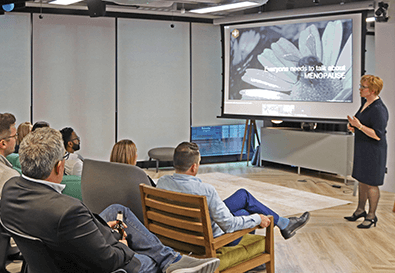
News
‘Give to Gain’: driving progress through authentic leadership
Senior leaders share insights on inclusion and advocacy at The Berkeley Partnership’s International Women’s Day 2026 panel discussion.
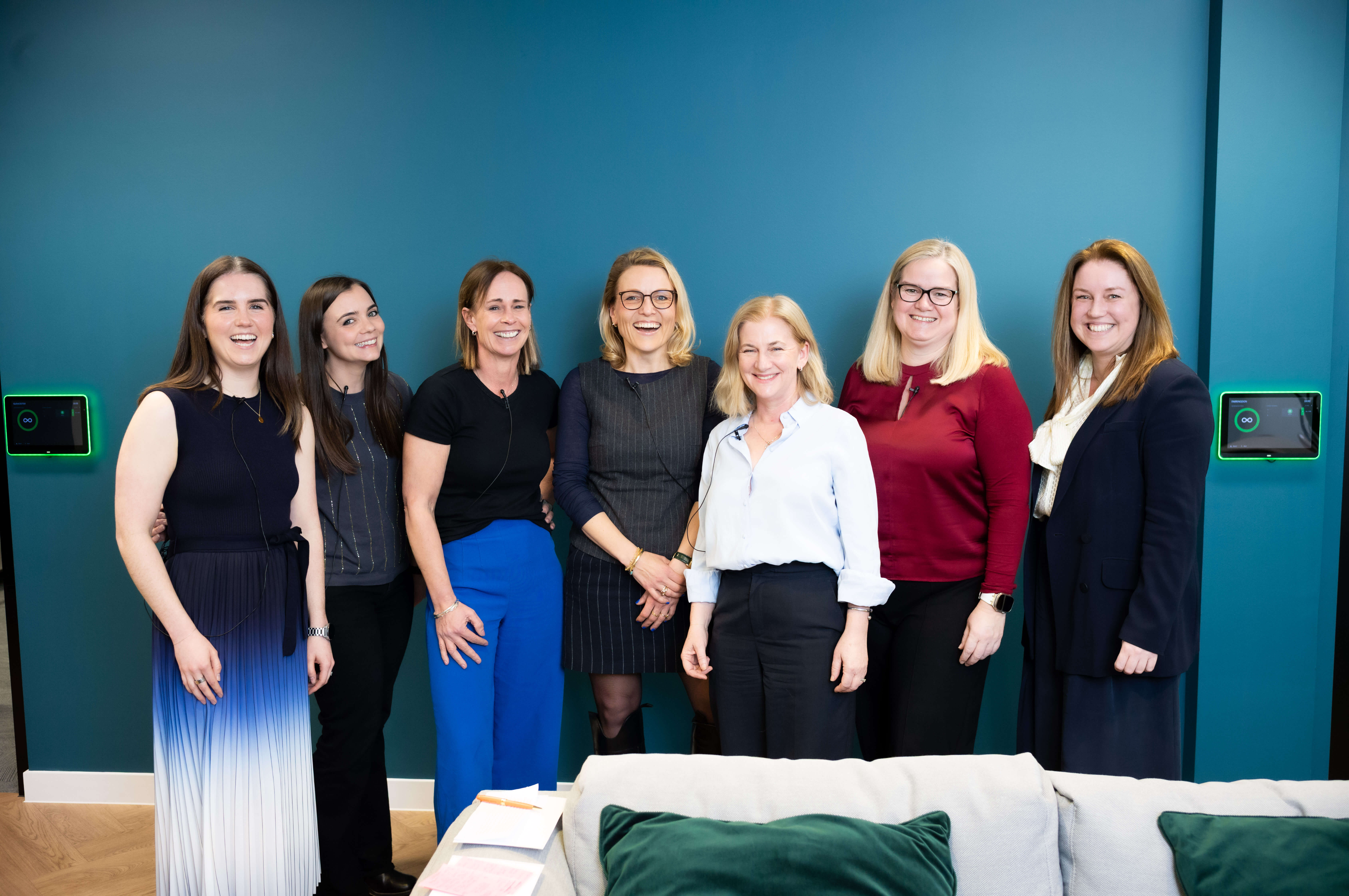
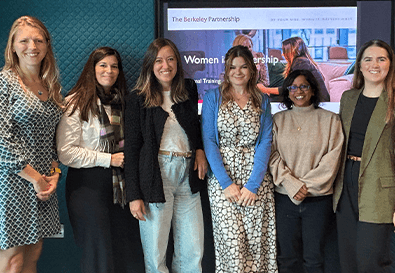
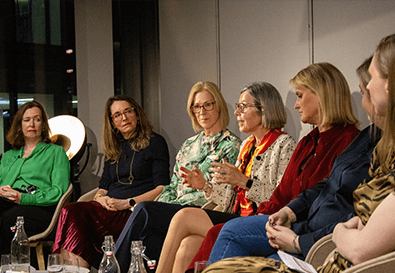
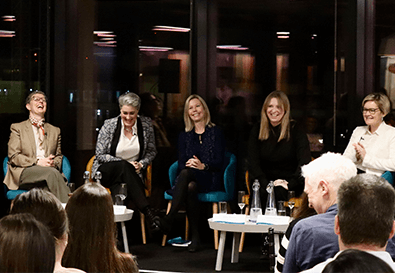
To mark International Women’s Day (IWD) 2026, The Berkeley Partnership welcomed senior leaders from across financial services, transport, aviation, consumer goods and technology to a candid panel discussion exploring the 2026 theme, ‘Give to Gain’. Hosted by our Women@Berkeley Network, the event brought together over 100 professional women and allies for an open conversation about leadership, inclusion, career progression and what meaningful support really looks like in practice.
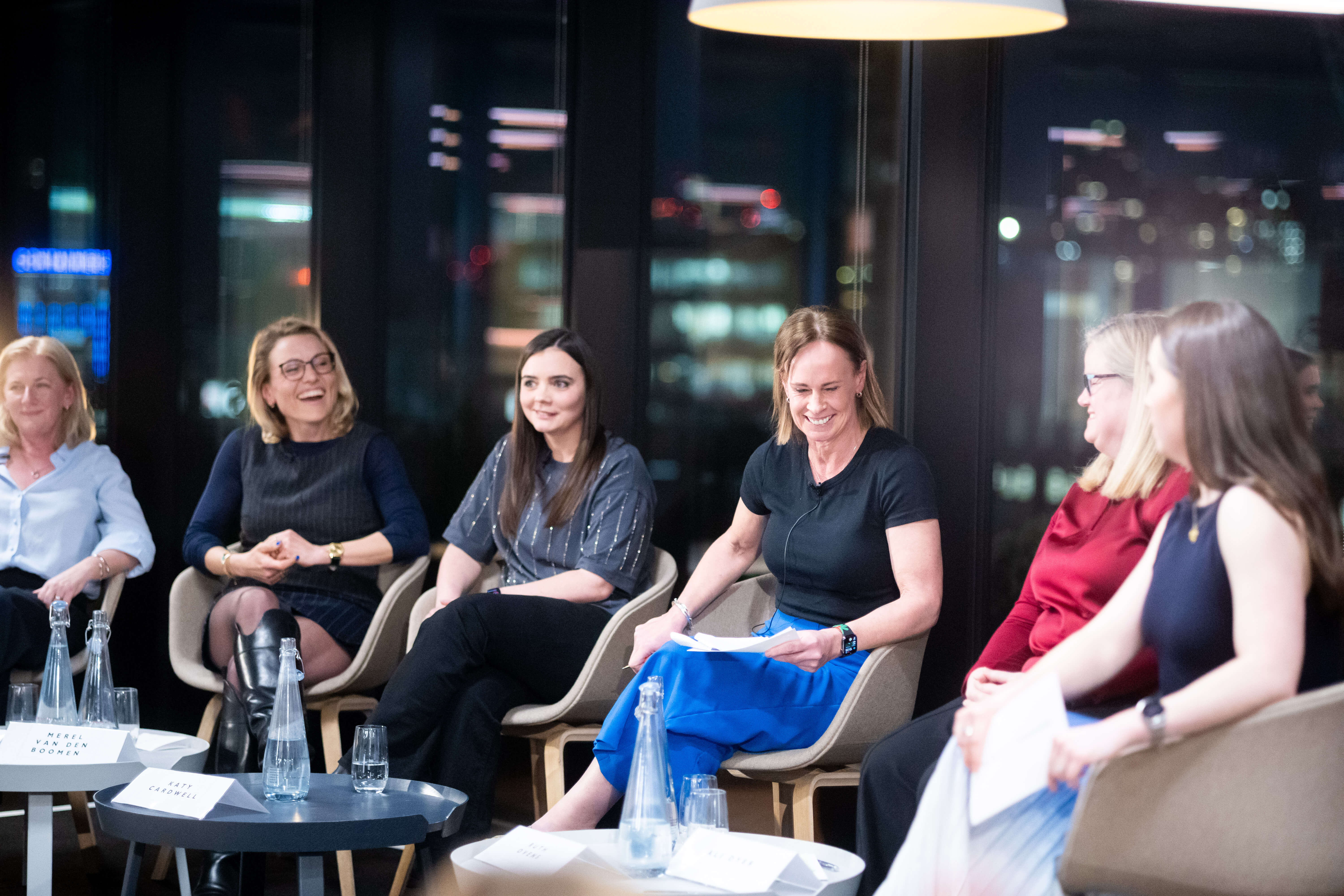
Opening the evening, Jenna Goldstein, partner and co-sponsor of the Women@Berkeley Network, set the tone for a discussion rooted in honesty and lived experience. She said one of the primary aims of the event was to encourage the audience to have “good, honest, open conversations” that would forge connection and enable people to work together for change.
Undervalued forms of support can be some of the most impactful
A recurring theme throughout the evening was that some of the most impactful forms of support can often be overlooked. Merel van den Boomen, Transformation Director at Great British Railways, highlighted the importance of building trusted peer relationships where feedback can be both given and received openly, describing it as an “undervalued system” for development.
This was echoed by Katy Cardwell, Director of E-Commerce and Platforms at British Airways, who spoke about the responsibility leaders have to actively build confidence in others. “Putting your trust in them and saying, ‘you can do this… you are the expert’ and giving them that confidence” is often what enables people to step up and thrive, she said.
For Emily Shepperd, former Chief Operating Officer at the Financial Conduct Authority (FCA), the balance between constructive and positive feedback is critical. “The lift that you can give people… and the energy that you can transfer to people doing that, is just worth its weight,” she said, adding: “I would go heavy on the positive.”
Inclusion starts with treating people as individuals
Beyond giving effective feedback, panellists emphasised that inclusive leadership is fundamentally about recognising and supporting difference. Ali Dyer, Group Chief Information Security Officer at Associated British Foods, framed inclusion as both a moral and managerial imperative.
“The most supportive thing I can do as a manager is to treat each person as an individual and work out what I can do to make them fulfil their maximum potential. To do that, they have to be themselves… in an environment where they can safely be themselves.”
Ali Dyer, Group Chief Information Security Officer, Associated British Foods
Bringing authenticity to the workplace
Continuing on the theme of women being themselves, Ali shared a striking moment from her own career, when she was once told she was “laughing too much” at work.
“I made the decision that I wasn’t going to take that feedback,” she said. “If I can’t be myself in the office, then that is something I’m not willing to give up… it's much more important that I am true to my values of who I am.”
Looking ahead to what real progress might look like over the next decade, her measure of success was simple but profound. “If women come to work and say, ‘I got through that day being totally true to myself’, then that’s the indicator I’m looking for.”
Similarly, Ruth Ovens, Chief People Officer at Informa TechTarget, called for greater normalisation of the realities many women experience – from neurodiversity to menopause to caring responsibilities. “We just need to normalise it,” she said. “Normalising those conversations. Normalising that it’s OK to be a woman that’s got all this stuff going on.”
Structural change: pay and parental equality
While much of the discussion focused on individual behaviours and leadership styles, panellists were clear that systemic change remains essential. Merel highlighted the persistent structural barriers facing working parents, citing the stark reality that only “10% of women after giving birth keep working full time”.
She argued passionately for equal parental leave, affordable childcare and greater pay transparency, urging women to “start talking about your salary to your peers”.
Emily reinforced this point with a candid account of her experience of pay disparity earlier in her career, sharing that a predecessor in one role “actually got paid twice as much” anddiscussions to address the issue “didn’t go anywhere at all”. This contrasted heavily with the structured pay frameworks she later helped implement at the FCA, promoting transparency and greater equity.
Allyship and championing women
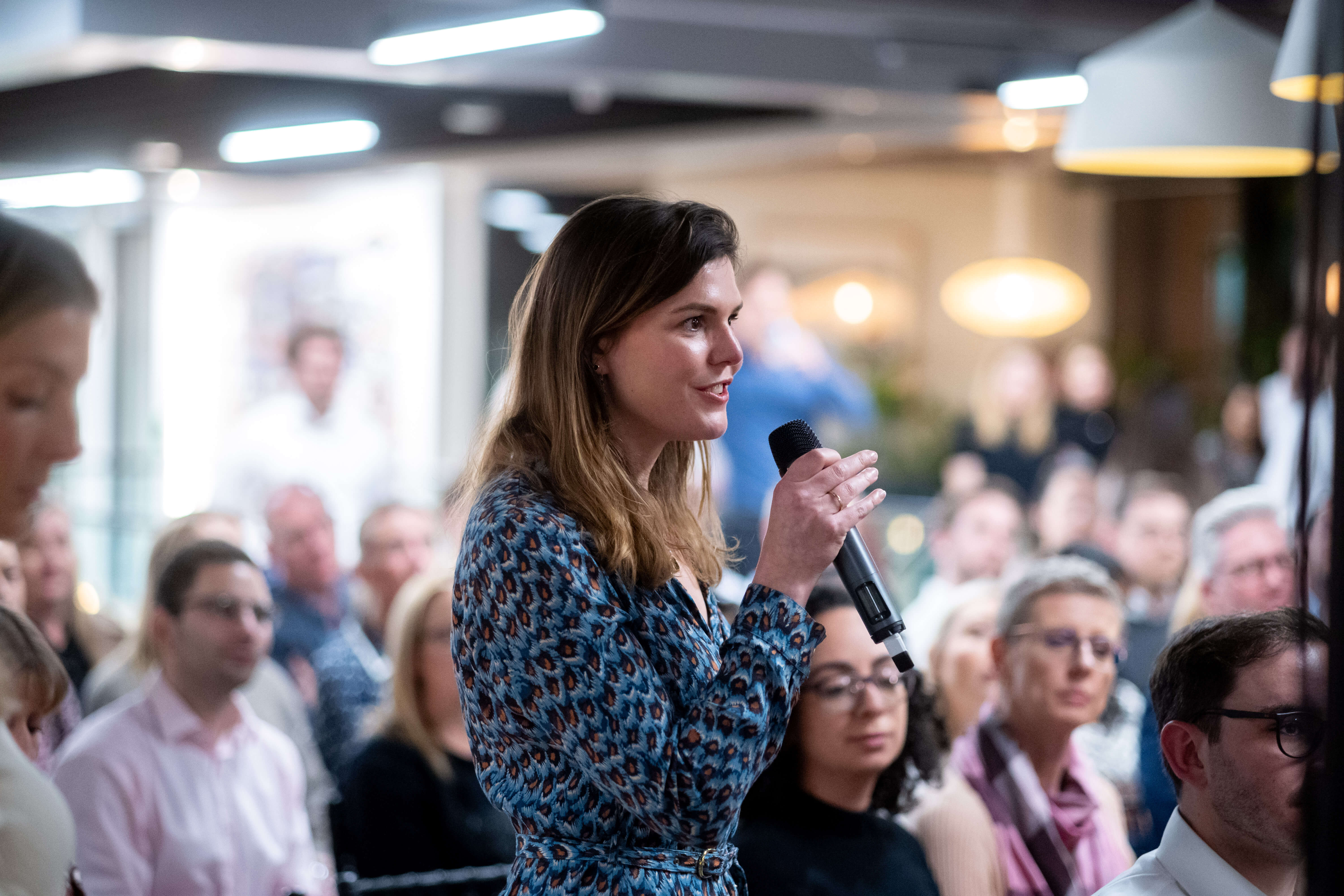
In a wide-ranging audience Q&A, the conversation turned to allyship, including the role of men in supporting women’s progression. Panellists consistently highlighted advocacy as one of the most meaningful acts of support.
“The kindest thing other people have done for me is represent me in the room when I’m not in the room. I now practice that. And I call it out when it doesn’t happen.”
Ruth Ovens, Chief People Officer, Informa TechTarget
Katy shared the example of her boss and particularly the support he provided in the workplace during her second pregnancy. “He is very much ‘you can do anything’ and advocates the whole time.”
Creating the future we want to see
Closing the evening, Jenna reflected on the collective responsibility highlighted throughout the discussion, encouraging attendees to act within their spheres of influence.
“There are things that we can’t control but there are many things we can,” she said. “Create the future that we want for ourselves and for the next generation”.